
5 hr 30 min
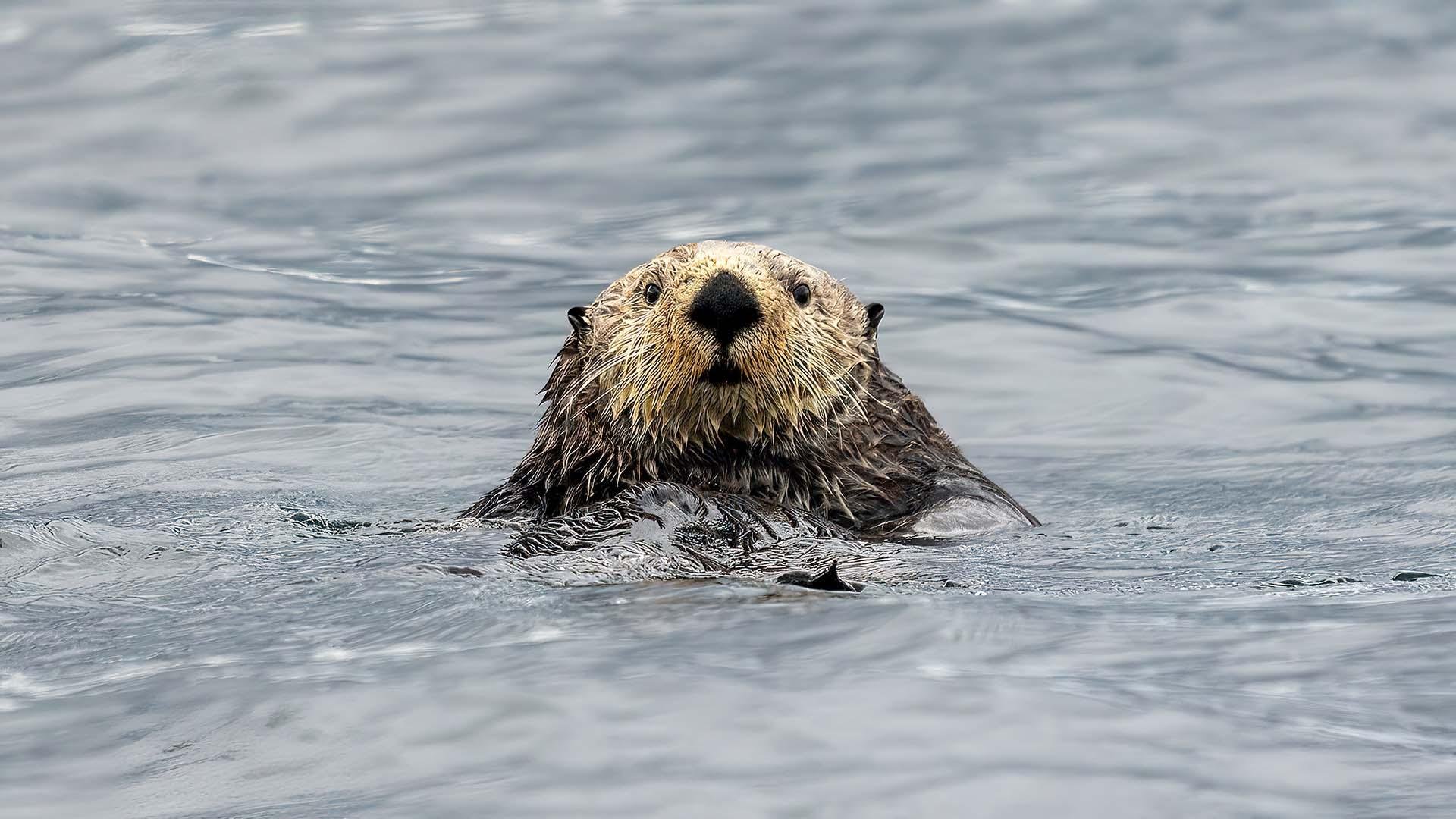
Marine Wildlife and Whale Watching Expedition from Port Hardy
Discover northern Vancouver Island's spectacular ocean life on a high-speed vessel adventure
Reserve
Hand-picked by our editors — only the best 5 experiences from 40 reviewed.
Verified partners for every tour, free cancellation where available, and instant confirmation on every booking.
5 hr 30 min
Discover northern Vancouver Island's spectacular ocean life on a high-speed vessel adventure
Reserve
4 hr 30 min
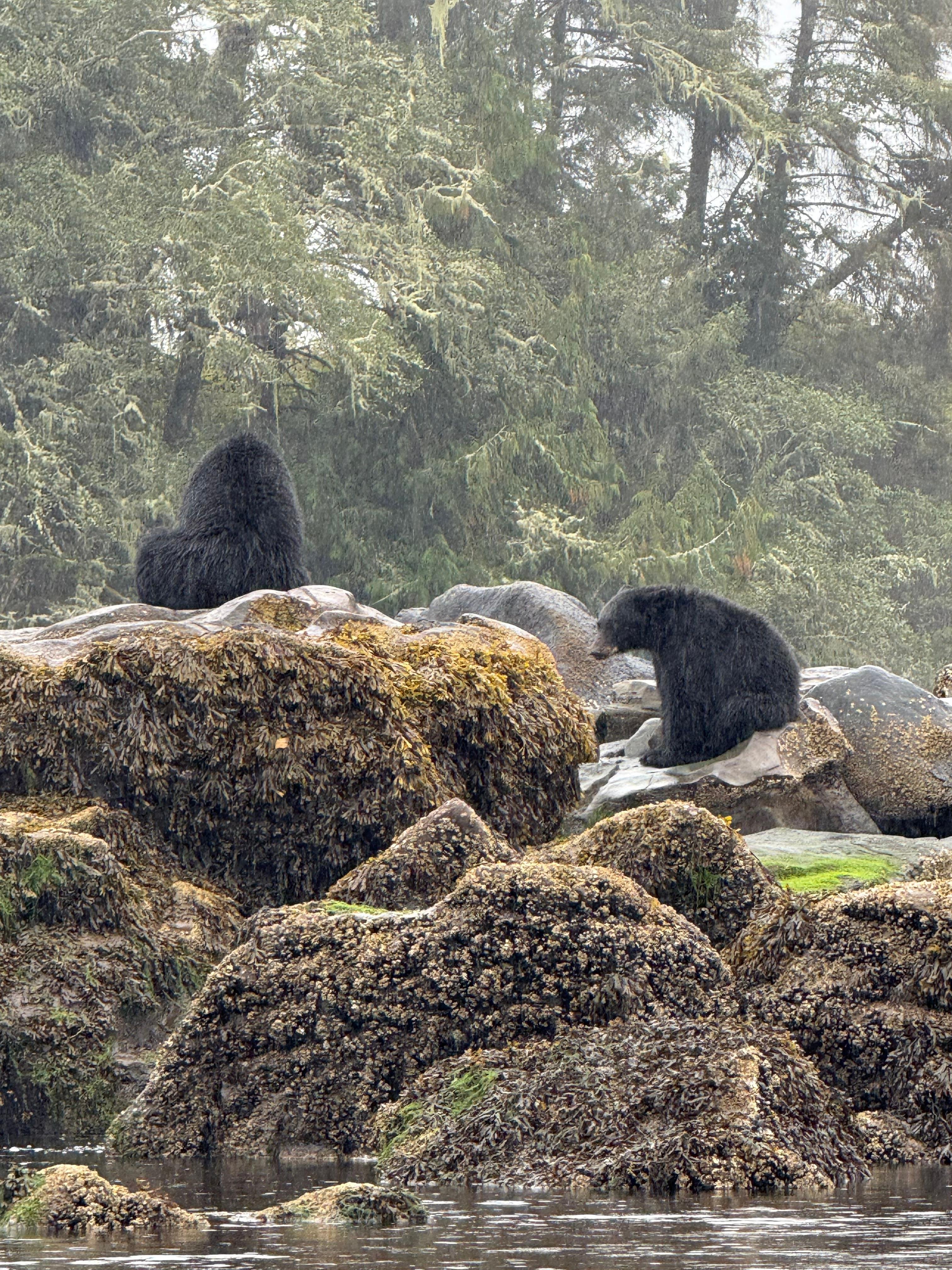
Paddle pristine coastal waters to witness black bears hunting salmon at a spectacular estuary
Reserve
8 hr
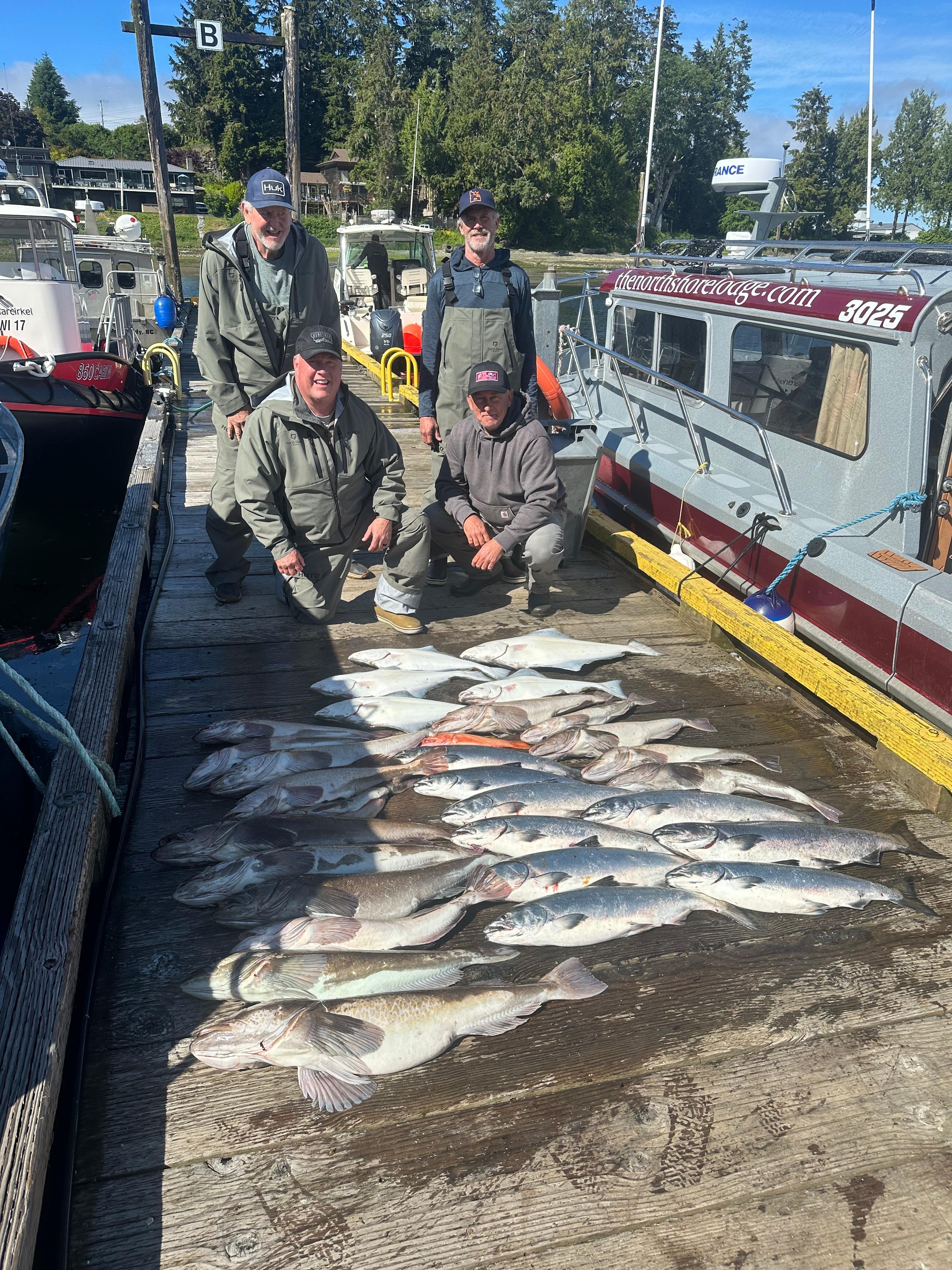
Hunt for trophy salmon and halibut in the rich waters off Vancouver Island's northern coast
ReservePrices from verified partners. Availability updates in real time at checkout. Free cancellation policies apply where shown.
The landmarks, rooms, and views travelers on this tour remember — all visible on a single visit.
Famous waterway known for high concentrations of orca pods and diverse marine species.
The calm starting point for most marine excursions and a major gateway to the Pacific.
Expansive water region where massive humpback whales gather to feed during summer months.
A quiet transition area where forest meets the ocean, frequently home to coastal wildlife.
Visible from the coast, this wilderness area frames the dramatic northern tip of the island.
They complement each other, but most visitors who do both find that Port Hardy offers a more remote, rugged wilderness encounter while Telegraph Cove is better for consistent sightings in sheltered waters.
| Feature | Top pick Port Hardy | Telegraph Cove |
|---|---|---|
Atmosphere |
Rugged wilderness and remote | High-density marine tourism hub |
Target Species Frequency |
Varies based on migration | Highly consistent throughout summer |
Launch Location |
Port Hardy harbor | Telegraph Cove marina |
Vessel Types |
Zodiacs and covered cruisers | Zodiacs and enclosed vessels |
Travel Distance from Port Hardy |
0 km | 50–60 km south |
Marine Life Variety |
Diverse orcas and humpbacks | High density of resident orcas |
| See tickets → |
Verdict: If you prioritize raw solitude, select a port hardy bc whale watching tour, but choose the established hub if you prefer convenient access to port hardy bc whale watching tours and need to secure your port hardy bc whale watching tickets in advance.
Choose your ticket, select your date, and reserve in under two minutes. Secure checkout handled by our verified partner.
Instant confirmation by email, with a mobile voucher you can save offline. No printing, no queuing at a collection desk.
Arrive at the entrance, show your voucher on your phone, and walk in. Most tickets include priority or skip-the-line access.
Practical details for your visit straight from our verified partners — hours, access, rules, and how to get there.
Port Hardy, BC
Main hub for most local marine vessels.
Follow Highway 19 North until it ends in Port Hardy. Ample parking is available near the harbor area for those starting their port hardy bc whale watching tour.
Regional bus services operate to Port Hardy, but local travel to the marina usually requires a short taxi ride.
Wear multiple layers of warm, windproof, and waterproof clothing. Ocean temperatures remain cold year-round, making synthetic or wool base layers essential for comfort on port hardy bc whale watching tours.
Keep personal items to a minimum due to limited storage space on vessels. Soft-sided bags are preferred for easy stowage during your port hardy bc whale watching trip.
Bring a waterproof bag or case to protect camera equipment from salt spray. Wildlife photographers often prefer lenses with a range of 100-400mm for capturing whales and marine life.
Vessel accessibility varies; please confirm ramp and boarding requirements with your specific port hardy bc whale watching operator. Staff can provide assistance for guests with limited mobility where equipment allows.
Mobile reception is intermittent once away from the harbor. Use your device for photos, but keep it in a secure pocket while the boat is in motion.
Children are welcome on most excursions, though age minimums may apply for high-speed zodiacs. Check with the provider regarding life jacket sizes for younger passengers.
Most tours provide light refreshments, but bringing a refillable water bottle is advised. Avoid heavy meals immediately before boarding if you are prone to motion sickness.
Pets are generally not permitted on shared commercial whale watching excursions. Service animals must be cleared with the tour operator well in advance.
All marine tours are subject to weather conditions and may be rescheduled for safety. Whale sightings are common but not guaranteed as these are wild animals in their natural habitat.
Best time to go, insider tips, nearby landmarks, and the cancellation fine print — flip through to skim what matters to you.
How crowds, weather, and events shift across the year.
April to May offers opportunities to see migratory birds and early season marine life.
June to August provides the most reliable weather and peak sightings for humpback whales.
September to October features cooler temperatures and quieter harbor conditions for port hardy bc whale watching tickets.
November to March is the off-season, with limited tour availability due to weather.
Small details that turn a good visit into a great one.
Secure your spot weeks in advance during summer months to guarantee availability for your port hardy bc whale watching adventure.
Even on sunny days, the temperature on the water is significantly lower than on land.
Bring plenty of water to maintain comfort throughout your port hardy bc whale watching tour.
Consult marine forecasts the night before your trip for potential status updates.
If you are prone to seasickness, take preventative measures at least one hour before departure.
Bring high-quality binoculars to view marine life without disturbing their natural path.
Non-bookable sights within a short walk — free to visit, easy to pair.
Learn about salmon conservation efforts in the region.
A scenic sandy beach perfect for quiet coastal walks.
Rugged coastal hiking trail for experienced outdoor enthusiasts.
Central town area featuring local shops and memorials.
Flexible, no hidden fees.
Most operators require at least 24 to 48 hours notice for cancellations to receive a full refund. Please review the specific terms provided at the time of booking as policies vary by company.
Hand-picked options within walking distance — pick a district for vibe, or a specific hotel for convenience.
Waterfront hotel offering convenient access to local marinas.
Full-service hotel featuring Indigenous art and cultural design.
Spacious grounds suitable for campers and trailers near the coast.
The waters off Port Hardy hold one of the few places on Earth where killer whales rub their bodies on smooth pebble beaches — a behaviour documented nowhere else in the world with such consistency. The rubbing beaches of Robson Bight, southeast of town, were protected as an Ecological Reserve in 1982 after decades of observation by researchers working from small boats in Johnstone Strait. Port Hardy sits at the northern end of Vancouver Island, at the head of Hardy Bay, where Queen Charlotte Strait opens toward the Pacific. The town was settled in 1904 and named for Vice-Admiral Sir Thomas Masterman Hardy. For most of the twentieth century it lived on logging, copper from the Island Copper Mine, and commercial salmon fishing. The mine closed in 1995. What remained was the water — and the water turned out to be the asset. Port Hardy bc whale watching grew out of that transition, built on the same vessels and the same local knowledge that once served the fleet. The marine geography does the work. Tidal exchange through Queen Charlotte Strait and the narrows of Johnstone Strait drives cold, nutrient-dense water upward, feeding plankton blooms, then herring, then everything above them. Northern resident killer whales follow returning salmon here through summer. Bigg's transient orcas hunt harbour seals and Dall's porpoise year-round. Humpback whales, hunted nearly to absence from these waters by shore-based whaling stations, have returned in numbers since the 1990s and now feed by bubble-net through late summer. Steller sea lions haul out on the rocks. Bald eagles work the shorelines in densities rarely matched. This is Kwakwaka'wakw territory, and it has been for millennia. The orca — max'inuxw — is not a spectacle in this cultural landscape but a lineage figure, carved on poles at Alert Bay and Fort Rupert. Any honest account of North Vancouver Island wildlife tourism acknowledges that the animals were known, named and reckoned with long before the first hydrophone was dropped in Johnstone Strait. Today the operators sail from Port Hardy and neighbouring Telegraph Cove, a former sawmill village of boardwalk buildings on pilings that became a research and viewing hub. There is no gate and no ticket booth here: entry to the harbour and waterfront is free, at 0 CAD, and port hardy bc whale watching tickets are purchased directly through the licensed operators who run the boats.
"The mine closed, the fleet thinned, and the water turned out to be the asset."
A step-by-step walkthrough of the visit — what you'll see, how long each stage takes, and the details that matter.
You reach the Port Hardy waterfront between 09:00 and 16:00, which is the window that lines up with scheduled departures and with the hours when light and wildlife activity are both working in your favour. Nothing charges you to stand on the dock. You pull on the flotation suit the crew hands over, because Queen Charlotte Strait runs cold even in August, and you find a rail seat rather than a bench. Then the engines drop to idle. On a Zodiac out of Telegraph Cove you sit low, close to the surface, feeling the chop through the hull. On a larger marine wildlife expedition vessel from Port Hardy you have a heated cabin and a rail to lean on. Either way the routine is the same: the naturalist scans, the hydrophone goes over the side, and you listen to calls travelling farther through salt water than any sound you have heard on land. A blow appears at eleven o'clock, maybe 400 metres out. You track the dorsal — tall and straight means male, shorter and curved means female or juvenile. You photograph the saddle patch, because that is how individuals are identified. A humpback fluke goes up and holds for three seconds before the dive. Later, on the run home past the sea lion haul-out, you take the port hardy bc whale watching tour to its natural end: cold hands, salt on your glasses, and a notebook of sightings.
You can plan your visit between 09:00–17:00 daily. It is recommended to coordinate your arrival between 09:00–16:00 for the best experience. Yes, purchasing port hardy bc whale watching tickets early is strongly advised as tours often sell out during the summer season. Yes, summer is a prime time for maritime activity, and operators adhere to strict safety protocols for all passengers. If a tour is cancelled due to weather, you will typically be offered a rebooking or a refund based on the operator's specific cancellation policy. Some operators may have age minimums for fast vessels, so check with your provider when booking your port hardy bc whale watching tour. Pack a waterproof jacket, sunscreen, camera, and binoculars. The harbor area is accessible, though vessel boarding depends on the specific boat design and tide levels. Most tours allow small snacks, but please check with your captain regarding food storage on board. Visitors frequently spot humpback whales, orcas, and occasionally minke whales while enjoying a port hardy bc whale watching tour.
Please contact us for more information.